
+ 1,200 verified five-star reviews for Cielo.Travel on Google and TripAdvisor.
Duration
Tour Type
Pricing
Languages
Overview
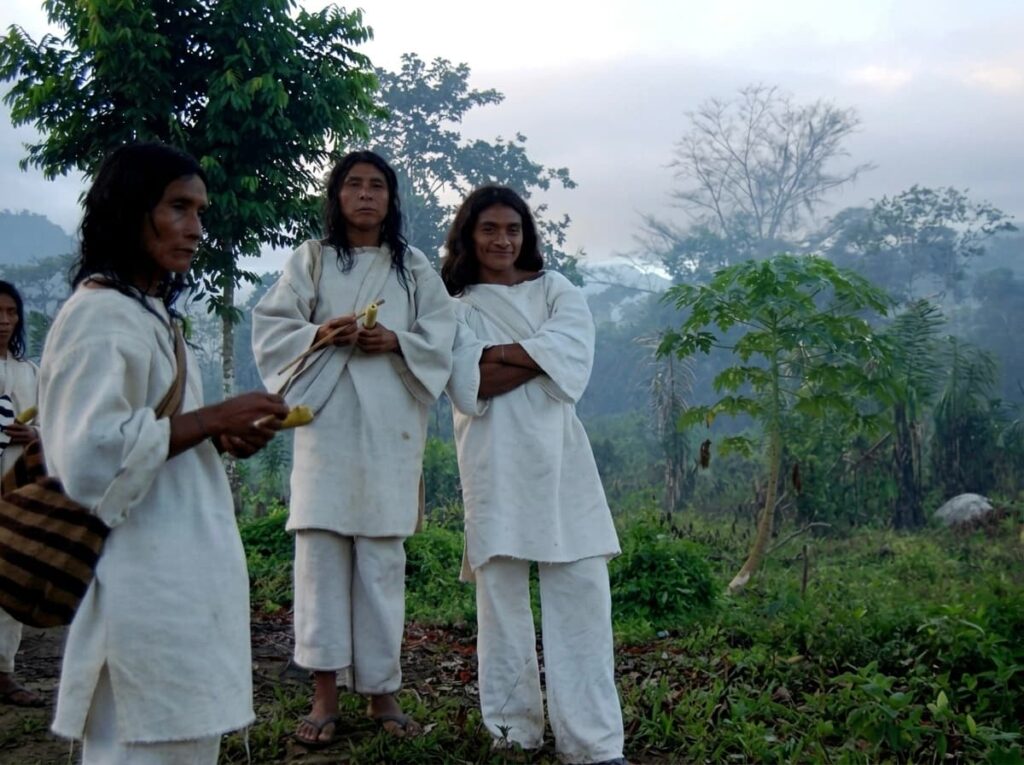
The Palomino River comes down from the Sierra Nevada de Santa Marta and cuts through the coastal forest before meeting the Caribbean Sea — and this tour moves you through the full length of that landscape before putting you in the water. The day starts with a motorbike ride into the forest, the only way to reach terrain that has no road access, followed by a three-hour hike through the transitional ecosystem between the Caribbean lowlands and the Sierra Nevada foothills — a zone where the biodiversity reflects both environments and your guide explains what you’re walking through in real time. The trail leads to the Seviaka indigenous territory, where the Kogui mamo — the community’s spiritual leader and knowledge keeper, trained from childhood in the cosmology, plant knowledge, and governance systems of a people who have occupied the Sierra Nevada continuously since before the Spanish conquest — spends an hour in conversation with the group. This is not a cultural performance. It is a conversation with someone who holds knowledge that exists nowhere else.
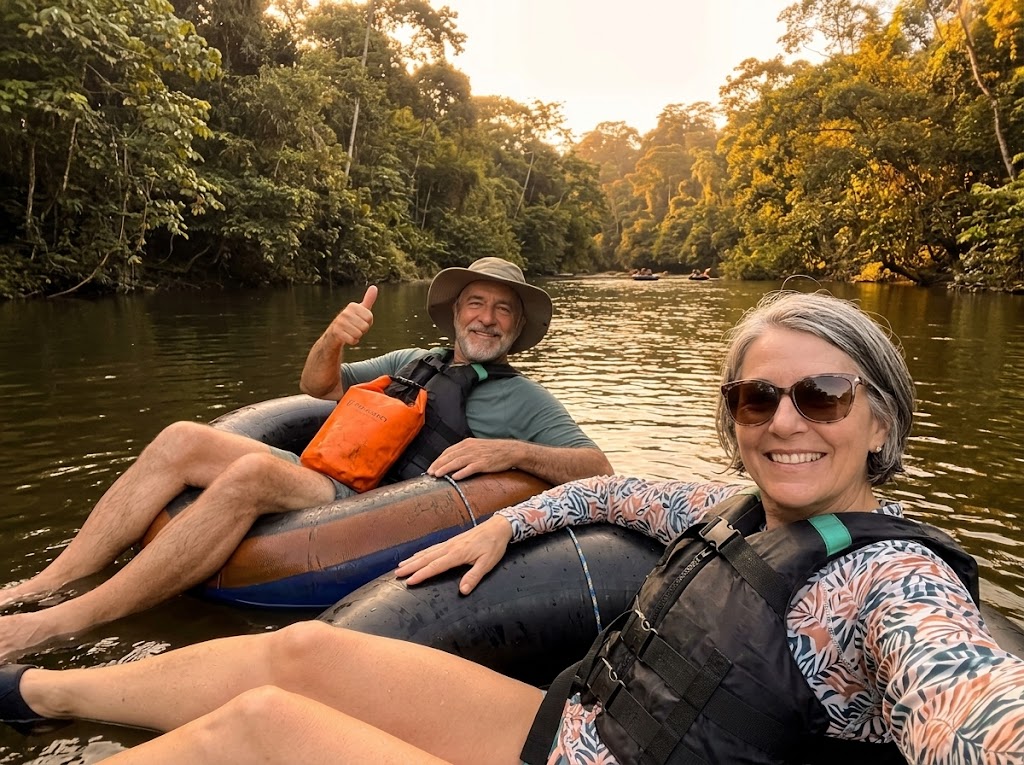
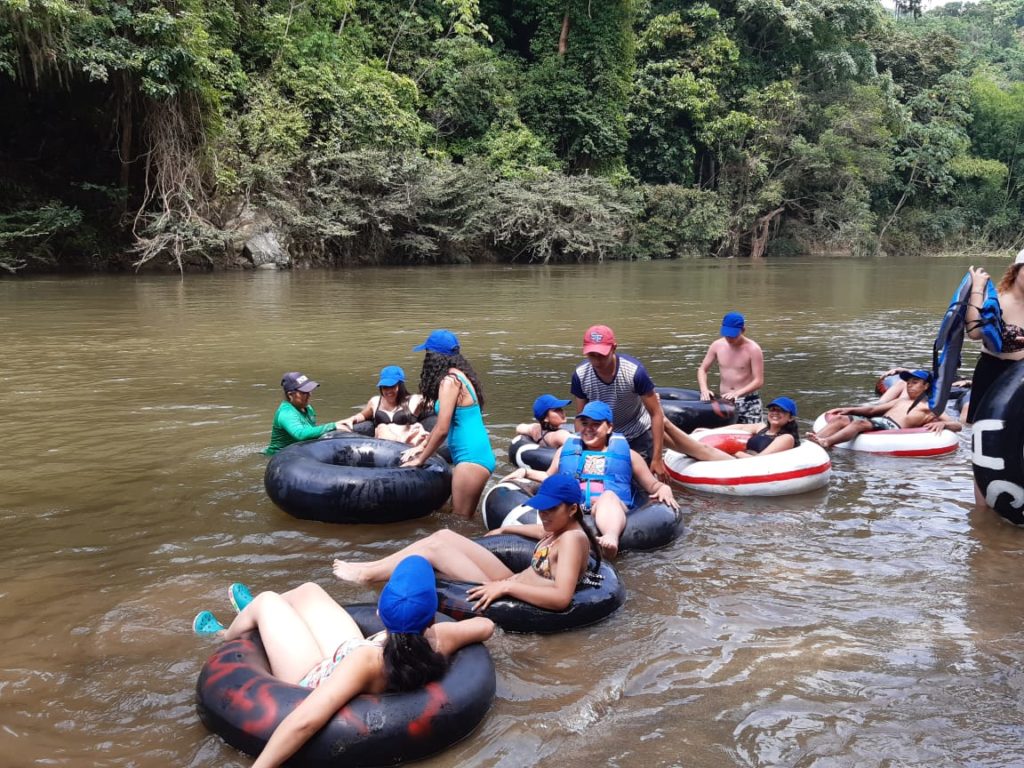
The tubing section starts after the indigenous territory visit: a floating tire and a life jacket, and approximately one hour on the Palomino River from the entry point to the exit near the coast. The river moves through two registers — calm, wide stretches where the forest rises on both banks and the current does the work, and rapids where the water accelerates and the guides manage the route. The return to Palomino is by motorbike. Bring a swimsuit, a dry bag for valuables, and a change of dry clothes; eat before your pickup as breakfast and lunch are not included. From Santa Marta, the meeting point is Hotel Playa Blanca in Rodadero at 7:15 AM.
Itinerary
Highlights
Hike for three hours through the forest surrounding Palomino, with your guide explaining the fauna and flora of the region — a walk through the transition zone between the Caribbean coast and the Sierra Nevada foothills.
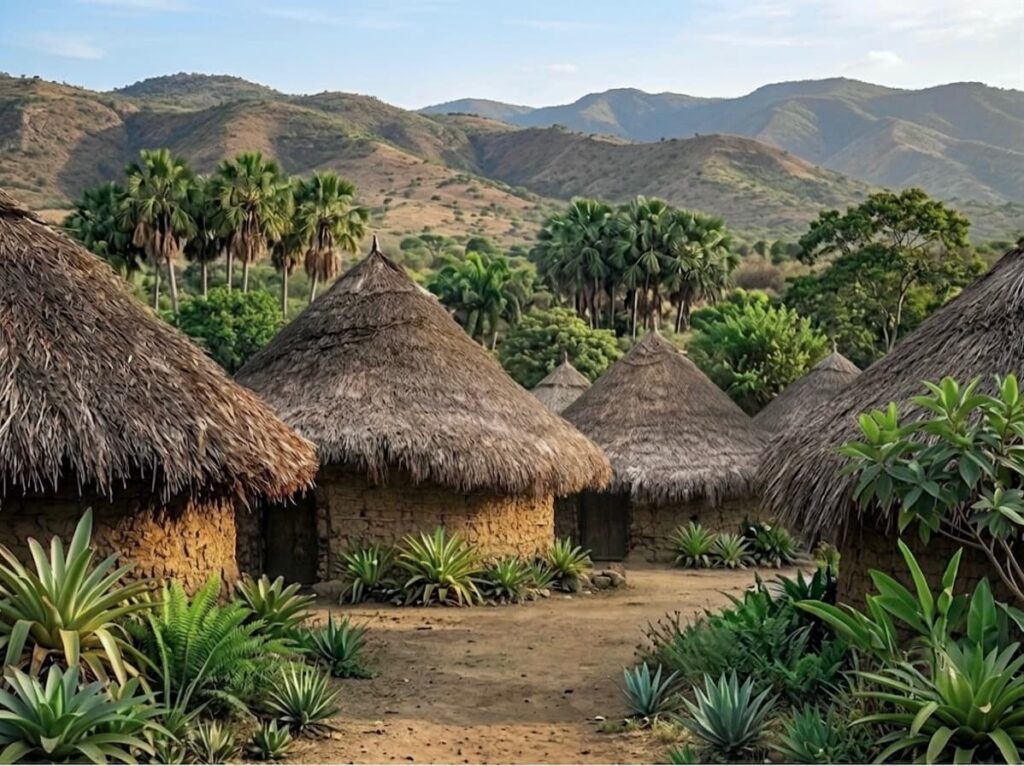
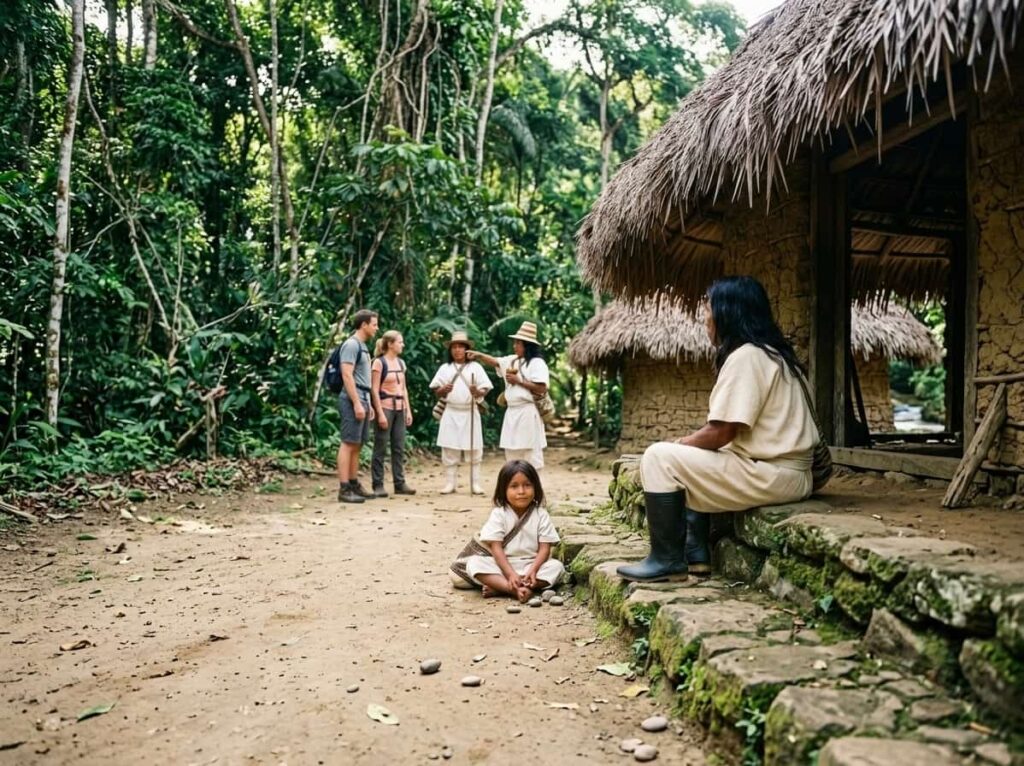
Meet the Seviaka indigenous community and talk directly with the mamo — the Kogui indigenous leader — about their cosmology, customs, beliefs, and the medicinal plants that are central to how they relate to the world around them.
Ride a motorbike through the Palomino forest and indigenous territory — the only means of transport for these areas, which have no roads.
Float downstream through the Palomino River for one hour, going from calm water stretches into proper river rapids — with a floating tire and a life jacket provided by your guide throughout.
Learn about indigenous medicinal plants and the beliefs and customs of the Seviaka Kogui people — a cultural encounter that sits alongside one of the most exhilarating water experiences available in the Caribbean region of Colombia.
What's Included
English-speaking guide.
Hotel pickup and drop-off by motorbike (from Palomino).
Entry to Seviaka indigenous territory.
Floating tire.
Life jacket.
All-risk insurance.
What's Excluded
Breakfast and lunch.
Extra purchases.
Know before you book
Bring a swimsuit, a towel, extra clothes, and a waterproof bag or plastic bag to keep personal items dry during the tubing section. The guide provides the life jacket and floating tire.
Motorbike pickup and drop-off are necessary for this tour. The Palomino forest, the Seviaka indigenous territory, and the river access points have no roads — motorbike is the only way to reach them. If you are not comfortable riding pillion, this tour is not suitable for you.
This tour can be joined from Palomino (motorbike pickup from your hotel) or from Santa Marta (meeting point: Hotel Playa Blanca — Rodadero CRA 3 # 9-70 at 7:15 AM). The total duration varies from 5 to 8 hours depending on your starting point.
Breakfast and lunch are not included. Eat before your pickup. There are no food stops on the forest or river route.
The tubing section is conducted by professional guides with life jackets and floating tires provided. The river has both calm stretches and rapids — follow your guide's instructions throughout. The tour is safe and conducted by experienced staff.
More Info
Cancellation Window
12 hours before starting date
Difficulty
Moderate
Cancellation policy
Free cancellation up to 12 hours before departure. Cancellations made within 12 hours of the tour start time are non-refundable.
Guest Reviews
Why Book With Cielo
1,200 five-star reviews from real travelers — read them before you book.
Best Price Guarantee — find this tour cheaper elsewhere and we'll match it.
Private transportation door-to-door — no shared shuttles, no waiting around for strangers.
Booking directly with us means your money stays with a Colombian-owned company, not a platform commission.
Our team coordinates everything — pickup timing, pilot briefing, and return logistics — so you focus only on the flight.
Other Info
Tubing the Palomino River is one of the most popular things to do in this part of Colombia’s Caribbean coast — and for good reason. The Palomino River comes down from the Sierra Nevada de Santa Marta and cuts through the coastal forest before meeting the Caribbean Sea, and floating downstream on a tire through its currents, calm sections, and rapids is a genuinely enjoyable hour. What makes this tour different from a standard tubing trip is everything that happens before you get in the water: a three-hour forest hike through the Seviaka indigenous territory, and a conversation with a Kogui mamo — a spiritual leader and knowledge keeper whose understanding of the Sierra Nevada and its plants represents a tradition that has been passing between generations for centuries.
Getting There: Motorbike Into the Forest
The day starts with a motorbike pickup from your hotel in Palomino — or, for those joining from Santa Marta, a 7:15 AM meeting at Hotel Playa Blanca in Rodadero for the shared transport to Palomino. From Palomino, motorbike is the only way to reach the forest, the Seviaka indigenous territory, and the river access points. There are no roads to these places. This is not a limitation of the tour — it is the reality of the geography, and the motorbike ride through the coastal forest is part of what makes the day feel different from anything accessible by van. The transition from the town to the forest happens quickly, and the terrain on the other side of that transition is what the rest of the day is built around.
The Forest Hike: Three Hours in the Sierra Nevada Transition Zone
The three-hour hike through the Palomino forest is the first section of the day and the one that most visitors underestimate before they experience it. This is not a manicured nature trail with paved surfaces and interpretive signs. It is forest terrain — varying underfoot conditions, roots and stones, humidity and shade — in the transitional ecosystem between the Caribbean coastal lowlands and the Sierra Nevada foothills. That transition zone is ecologically significant: it is the zone where two very different environments meet, and the plant and animal life reflects both.
The Ecology of the Transition Zone
Your guide explains the fauna and flora along the trail as you move through it — the specific plant species that grow in this elevation band, the bird life of a forest that sits between the coast and the mountains, the relationship between the vegetation and the water systems that feed both the river and the communities above and below. The Sierra Nevada de Santa Marta is the world’s highest coastal mountain range, rising from sea level to nearly 5,800 meters within 50 kilometers of the beach, and the ecological compression that produces creates a biodiversity in the foothills that reflects the full range of the mountain’s vertical zones. Birds that belong to the highland cloud forest and birds that belong to the Caribbean lowland forest occupy the same trail, and the guide knows which is which and why they are here.
The three hours on the trail are not difficult by hiking standards — the gradient is manageable and the pace is set to allow conversation and observation — but they are real. The terrain is uneven, the forest is dense in sections, and the environmental immersion is genuine rather than scenic. By the time you reach the Seviaka territory, you have been walking through the Sierra Nevada foothills long enough to have a physical sense of what the landscape is and what it costs to move through it. That physical understanding is the right preparation for the conversation that follows.
The Seviaka Indigenous Territory: A Conversation With a Kogui Mamo
The trail leads to the Seviaka indigenous territory, where you meet the mamo — the spiritual leader and knowledge keeper of the Kogui community who lives there. The Kogui are one of the four indigenous peoples of the Sierra Nevada de Santa Marta — alongside the Arhuaco, Kankuamo, and Wiwa — who have maintained continuous occupation of the mountain since before the Spanish conquest. The Sierra Nevada is not simply a geographic feature to the Kogui. It is the center of the world — a sacred space that they understand as regulating the ecological balance of the entire Caribbean region, and whose health they see themselves as responsible for maintaining.
Who the Mamo Is and What He Knows
The mamo is not a ceremonial figurehead or a cultural representative selected to meet tourists. He is the community’s primary knowledge holder — trained from childhood in the cosmology, the plant knowledge, the ritual practice, and the governance systems of the Kogui people through a process of education that can last decades. The mamo’s knowledge of the Sierra Nevada’s plants — their medicinal uses, their ceremonial significance, their relationships with the animals and the water systems of the mountain — is the product of that training and of a tradition that has been accumulating and refining knowledge about this specific ecosystem for as long as the Kogui have inhabited it.
The hour you spend with the Seviaka community — listening to the mamo talk about their beliefs, their relationship with medicinal plants, and how they understand the world — is not a cultural performance. It is a conversation with someone who holds knowledge that exists nowhere else, offered in a context of genuine exchange rather than staged demonstration. The Kogui’s decision to receive visitors in their territory and share aspects of their knowledge is itself significant — it reflects a belief that the wider world needs to understand what the Sierra Nevada is and why it matters, and that controlled interaction with respectful visitors is one way to communicate that. Your guide facilitates the conversation and provides translation and context throughout.
The Palomino River: Calm Water, Rapids, and an Hour on the Current
From the indigenous territory, the route moves to the river. Your guide provides a floating tire and a life jacket, and you enter the Palomino River for the downstream section — approximately one hour of floating from the entry point to the exit near the coast. The river has two registers, and the tubing moves through both of them.
The Calm Sections: Floating and Drifting
The wide, calm stretches of the Palomino are where the river’s character is most meditative. The current moves you without requiring effort, the forest rises on both banks, and the water is clear enough to see the riverbed below. The Sierra Nevada peaks are occasionally visible above the treeline on clear mornings, snow-capped and improbably close to the warm Caribbean air. These sections are where most guests stop trying to do anything and simply allow the experience to happen — the forest, the water, the silence, the movement — which is the right way to be on this river.
The Rapids: Attention and Momentum
The rapids change the register entirely. The current accelerates, the water breaks over rocks, and the tubing requires more active attention — positioning yourself correctly, reading the water ahead, responding to the guide’s directions when the route narrows. The guides are present throughout the rapid sections, managing the group and the route with the practiced ease of people who know this river in all its seasonal conditions. The rapids are not dangerous when managed correctly, but they are genuinely engaging — the kind of physical experience that breaks the meditative quality of the calm sections in a way that makes both registers more distinct.
The tubing ends at the river’s lower section, where the current slows as the Palomino approaches the coast. The motorbike return to Palomino follows.
Practical Notes: What to Bring and How the Day Works
Bring a swimsuit, a towel, a change of dry clothes, and a waterproof bag for your phone and valuables — everything you carry into the river section will get wet, and planning for that in advance makes the experience more comfortable. Breakfast and lunch are not included in the tour price; eat before your pickup. The full day runs between five and eight hours depending on your starting point. If you are joining from Santa Marta, the bus stop return from Palomino is at 3:30 PM, which leaves time to spend an hour at the beach before heading back.
Motorbike transport is mandatory and non-negotiable for this route — the access points for the forest and the river do not have road connections, and the motorbike is the only practical way to reach them. If motorbike transport is a concern, contact us before booking to discuss the options.
Other Ways to Experience Palomino’s Natural Environment
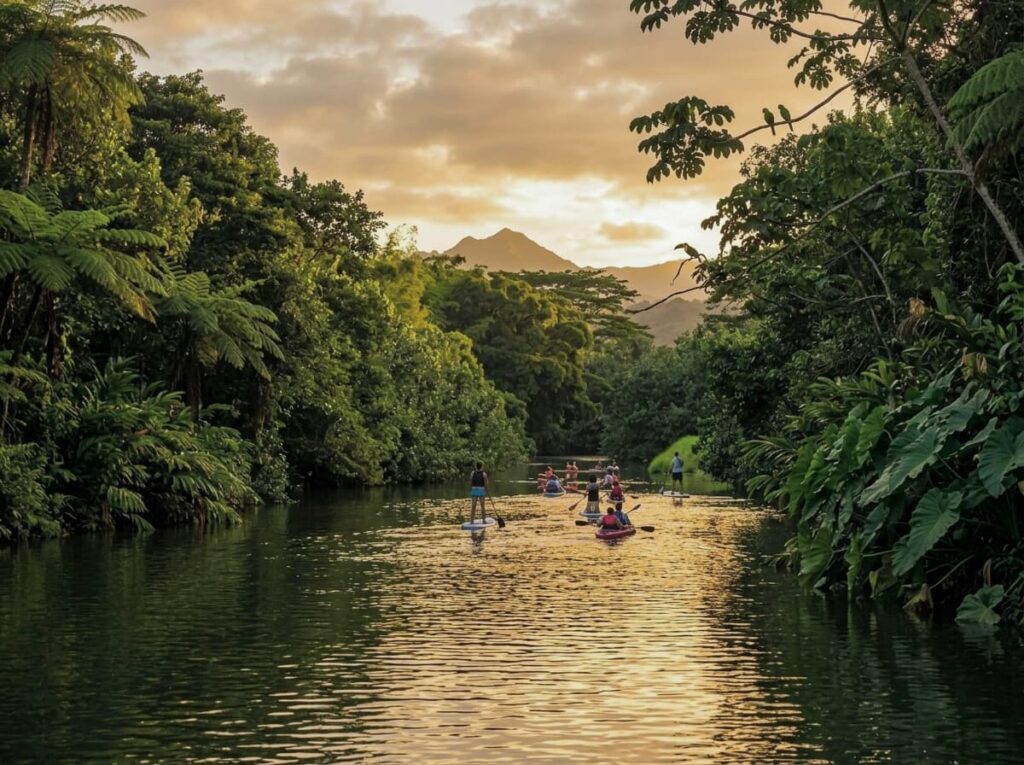
If you want to explore the Palomino River from a different angle, the Paddle Board Adventure covers the same waterway at a slower pace and with more control — standing on the water rather than floating through it, on a calm section of the river rather than the full downstream route. The Palomino Horseback Riding Tour covers the beach and the coastal landscape on horseback at sunrise or sunset — a completely different relationship with the same geography, at the pace the terrain was built for.
Ready to float the Palomino River? Book the tubing tour above and your guide will take care of the rest — bring a swimsuit, a dry bag, and show up at the meeting point on time.
Planning more time in La Guajira? Browse our La Guajira tours and experiences.
Before you go: our Colombia guides
Written by the team that runs this tour.
FAQs
Bring a swimsuit, a towel, extra clothes, and a waterproof bag or plastic bag to keep your phone, wallet, and any valuables dry during the river section. The guide provides the life jacket and floating tire. Everything else you need for a safe and enjoyable tube ride is covered.
The tour starts from either Palomino or Santa Marta. From Palomino, your guide picks you up at your hotel by motorbike. From Santa Marta, make your way to the meeting point — Hotel Playa Blanca, Rodadero CRA 3 # 9-70 — at 7:15 AM to join the shared transport to Palomino. If joining from Santa Marta, the return is at 3:30 PM from the bus stop.
Before the tubing, you do a 3-hour hike through the forest around Palomino. Your guide gives you a lesson on the fauna and flora of the region along the trail. You then reach the Seviaka indigenous territory, where the mamo — the Kogui community's leader — talks to the group about their beliefs, customs, medicinal plants, and the meaning behind their way of life.
The entry fee for tubing and the entry to Seviaka territory are included in the tour price when you book with us. The guide, floating tire, and life jacket are all covered. Breakfast, lunch, and extra purchases are at your own cost.
The Palomino forest, the Seviaka indigenous territory, and the river access points have no roads — motorbike is the only means of transport to reach these places. Your guide is the driver and knows the routes well. If you are not comfortable riding pillion, contact us before booking and we can recommend alternative Palomino experiences.
Yes — the tour is conducted by professional, experienced guides. You have a floating tire and a life jacket throughout the river section. The Palomino River has calm stretches and rapids; your guide manages the group's route and timing. Follow their instructions and the experience is both safe and exhilarating.
Related Tours
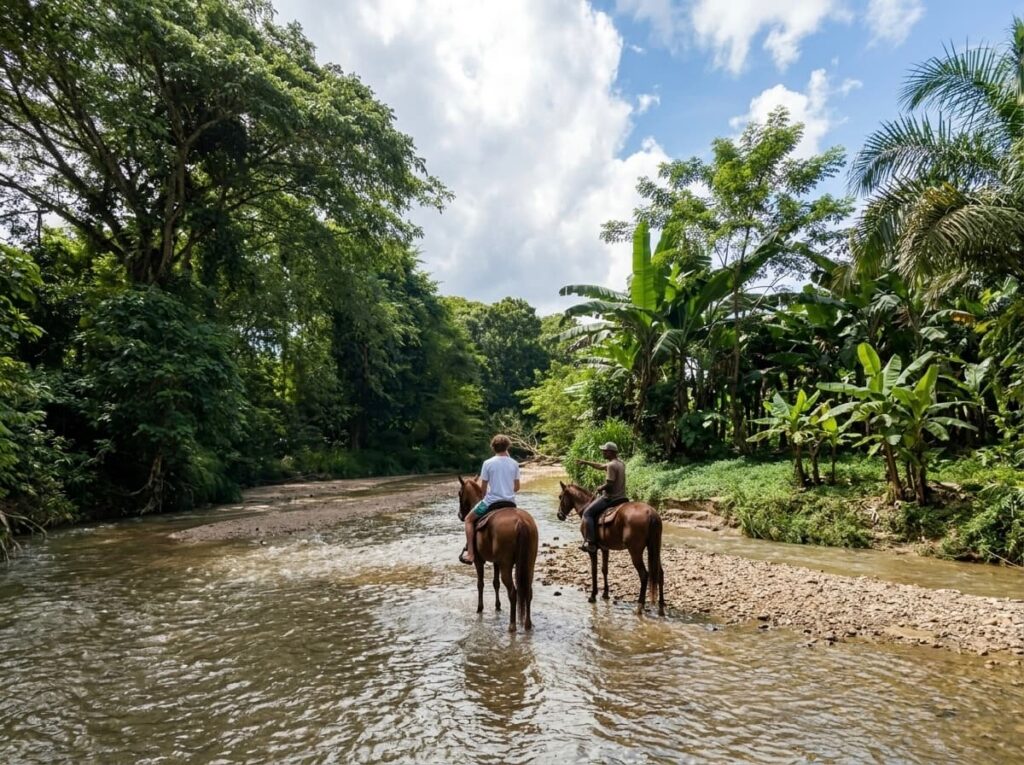

Palomino Horseback Riding Tour: Beach Sunrise Ride
La Guajira
Shared
A Palomino Horseback Riding Tour gives you the most direct and unhurried version of what this stretch of Colombia’s Caribbean…
$
3 hours
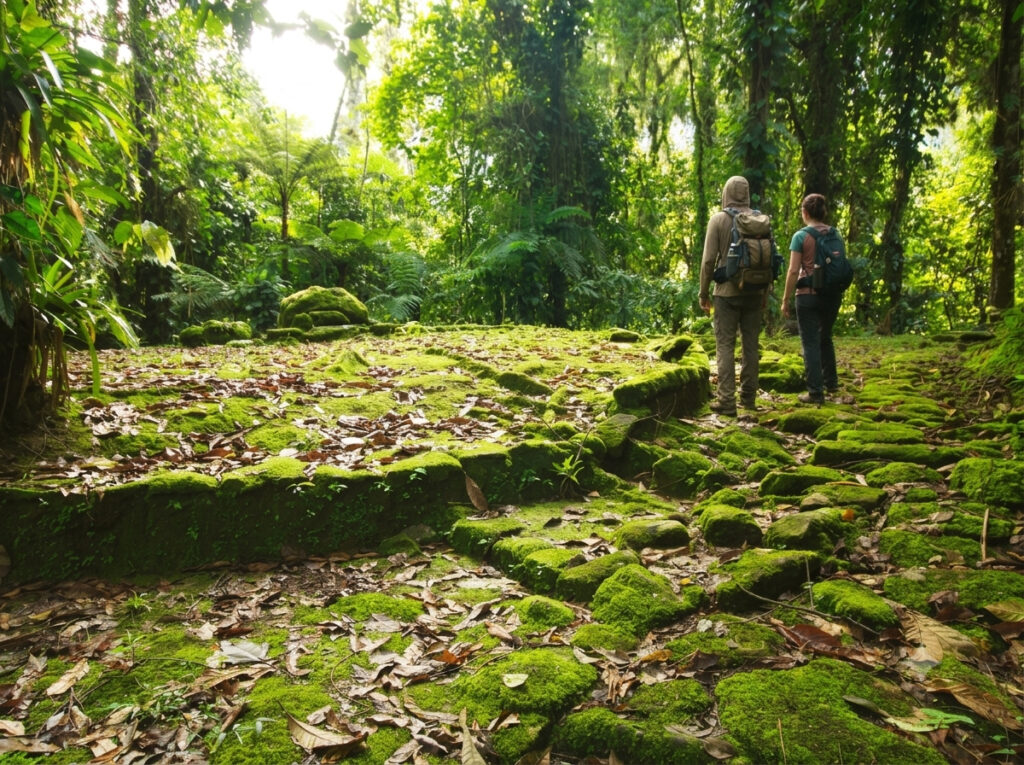
Lost City Trek: 4-Day Hike to Ciudad Perdida in Sierra Nevada
Santa Marta
Multi-Day, Private
Four Days on Foot to a Civilization the World Forgot The Lost City Trek in La Sierra Nevada Natural Park…
$$$
4 days

La Guajira Desert & Punta Gallinas 3-Day Tour
La Guajira
Multi-Day, Private
A 3 day tour in La Guajira takes you to one of the most remote and least-visited corners of Colombia…
$$$
3 Days