
+ 1,200 verified five-star reviews for Cielo.Travel on Google and TripAdvisor.
Duration
Tour Type
Pricing
Languages
Overview
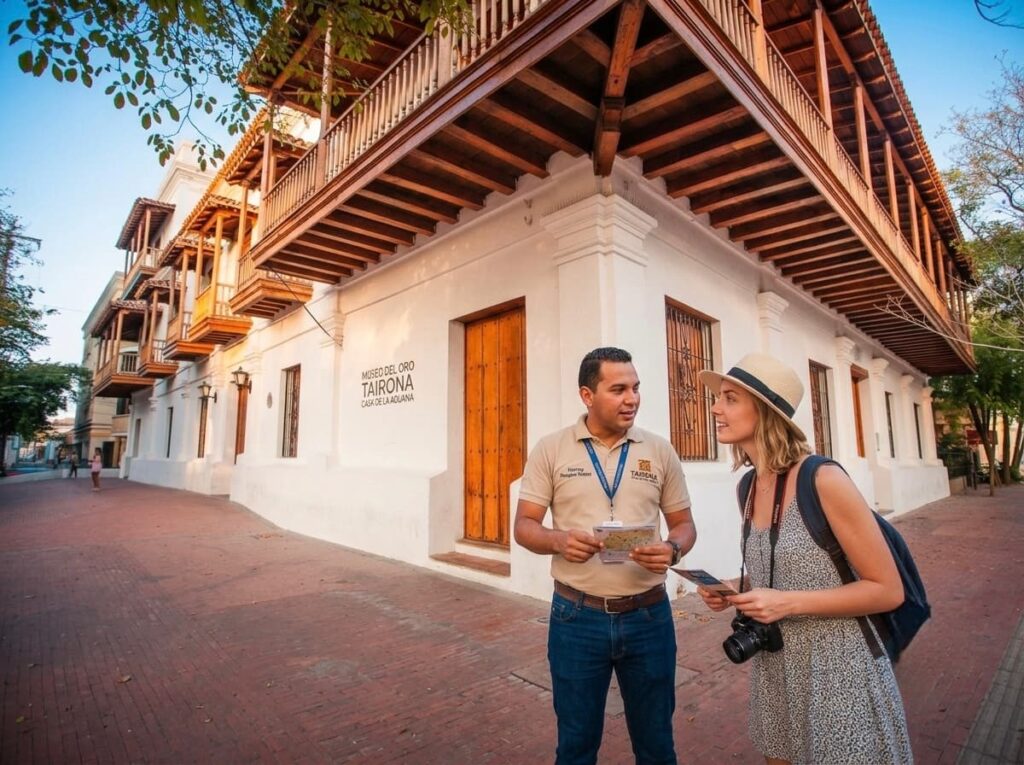
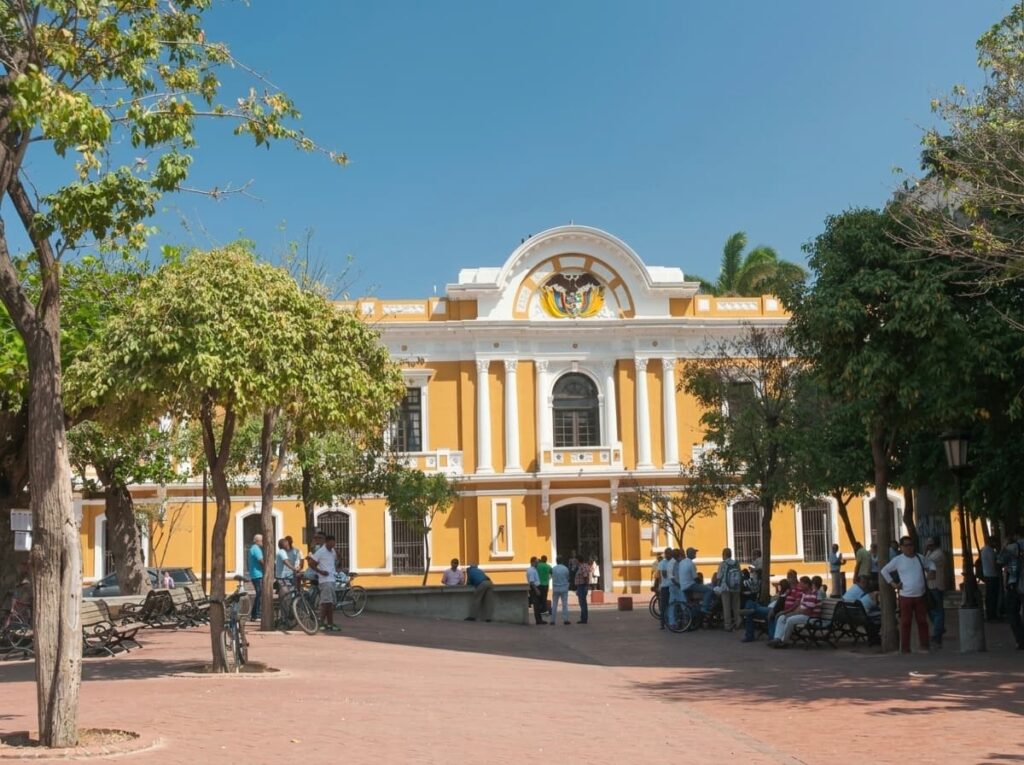
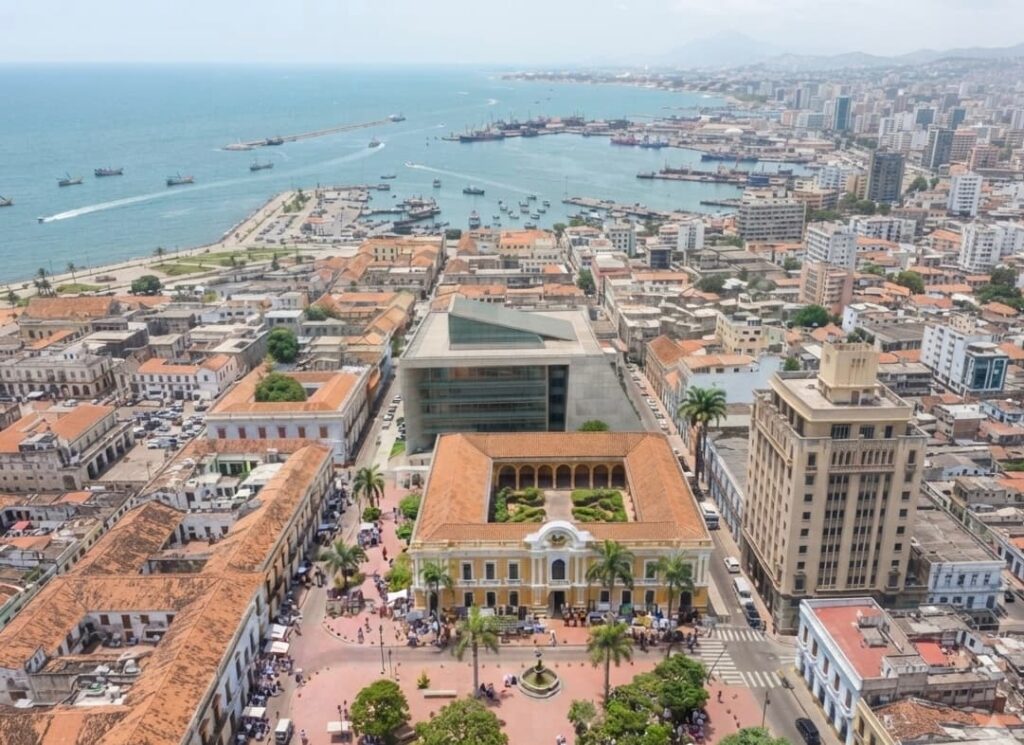
Santa Marta is the oldest surviving European city in South America — founded in 1525, thirteen years before Bogotá — and its historic center carries that age in the architecture, the layout, and the layers of history compressed into a few walkable blocks. This private tour moves through them with a guide who knows the sequence: from the Tayrona Gold Museum, housed in the first building the Spanish completed in the city and now deliberately repurposed as a repository for the indigenous metalwork the colonial project nearly destroyed, through Bolívar Square, where the liberator who dismantled the Spanish empire spent his final weeks in 1830 in the city that empire built.
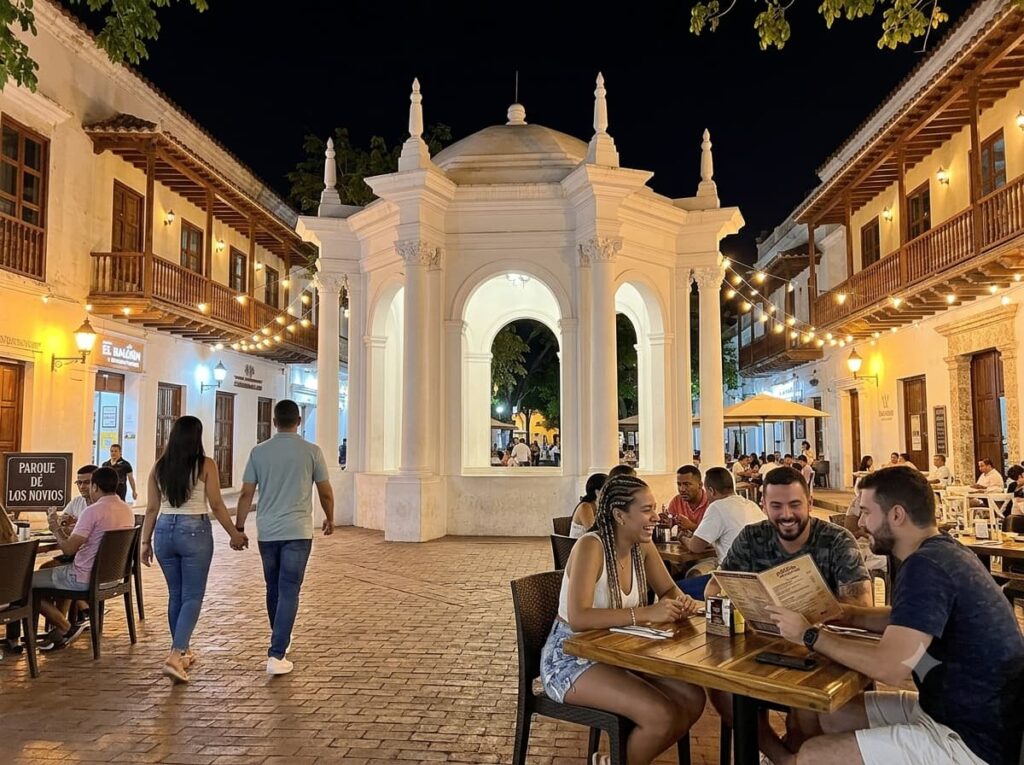
The route continues along the Malecón — a wide waterfront promenade with Sierra Nevada views and the particular light of a Caribbean port city in the late morning — to the Parque de los Novios, where Santa Marta’s social life actually happens, and closes at the Cathedral, one of the oldest in South America, surrounded by the arched doorways and terracotta facades of the Spanish Caribbean. Without a guide who knows the sequence, the historic center is interesting. With one, it becomes coherent. Comfortable shoes and sunscreen are the only requirements — everything else is handled.
Itinerary
Highlights
Santa Marta is the oldest surviving European city in South America — your guide places every stop in that 500-year arc.
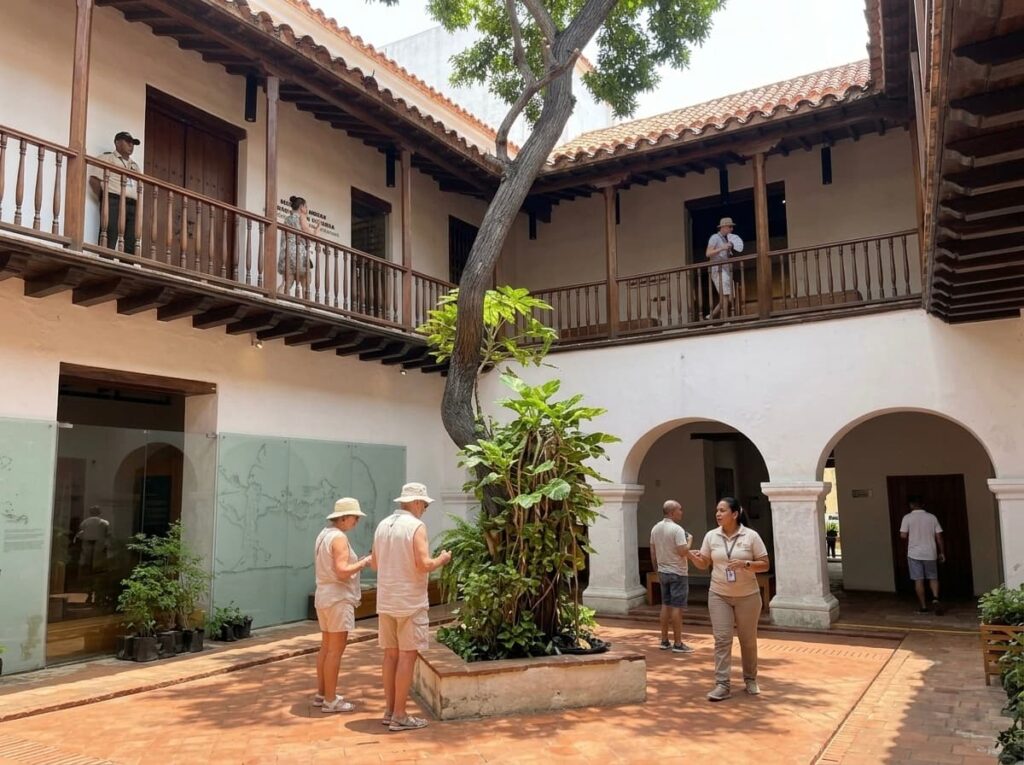
The Tayrona Gold Museum occupies the first building the Spanish completed in the city, now repurposed as a home for the indigenous metalwork the colonial project nearly destroyed.
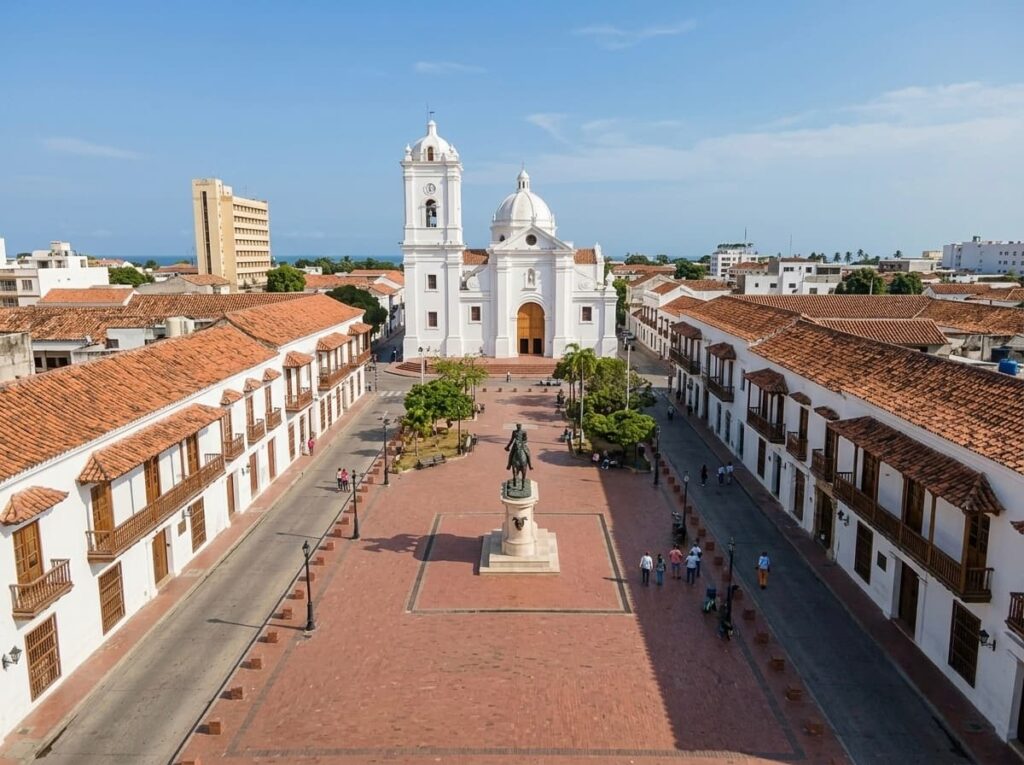
Bolívar Square marks where the liberator who dismantled the Spanish empire spent his final weeks — in a city that empire built.
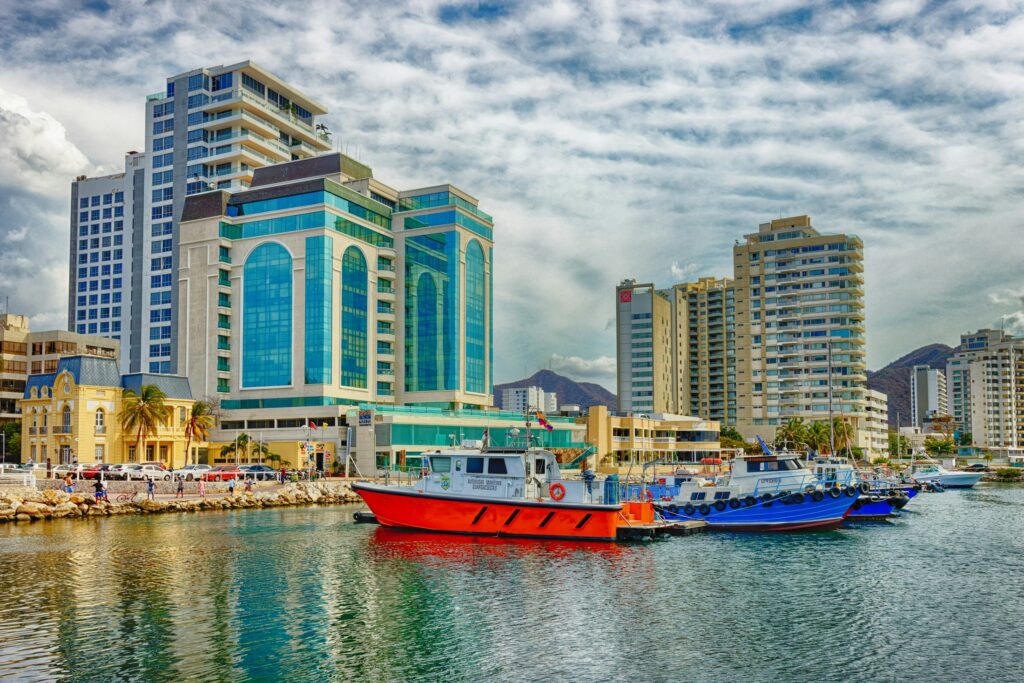
The Malecón promenade runs along the bay with Sierra Nevada views and the open light of a Caribbean port city in the late morning.
The Cathedral closes the walk surrounded by some of the oldest colonial architecture on the continent — arched doorways, carved balconies, and the white and terracotta palette of the Spanish Caribbean.
What's Included
Private guide (full 3 hours).
Hotel pickup and drop-off in private transportation.
Entry to Tayrona Gold Museum.
All risk ensurance.
What's Excluded
Breakfast and lunch.
All risk insurance.
Know before you book
This is a walking tour and operates in all weather conditions. Dress for Santa Marta's warm, humid climate — cotton shirts, comfortable shoes, and light pants or shorts. Sunscreen and a cap are essential at all times.
The Tayrona Gold Museum is closed on Mondays. If your tour falls on a Monday, your guide will suggest an equally interesting alternative museum based on your interests.
Santa Marta's average temperature is 25.8°C (78.4°F) year-round. July is the warmest month. October averages 24.8°C (76.7°F). The mornings tend to be cloudy before the afternoon heat builds — ideal conditions for a walking tour.
Comfortable walking shoes are required. The historic center has uneven paving and cobblestone sections — flat-soled shoes with good grip are recommended over heels or slippery soles.
A food tasting stop is included during the Cathedral section of the tour. If you have dietary restrictions or allergies, inform your guide before the tour begins.
More Info
Cancellation Window
12 hours before starting date
Difficulty
Easy
Cancellation policy
Free cancellation up to 12 hours before departure. Cancellations made within 12 hours of the tour start time are non-refundable.
Guest Reviews
Why Book With Cielo
1,200 five-star reviews from real travelers — read them before you book.
Best Price Guarantee — find this tour cheaper elsewhere and we'll match it.
Private transportation door-to-door — no shared shuttles, no waiting around for strangers.
Booking directly with us means your money stays with a Colombian-owned company, not a platform commission.
Our team coordinates everything — pickup timing, pilot briefing, and return logistics — so you focus only on the flight.
Other Info
The Oldest City in South America, Read Properly
A Santa Marta Old City and Gold Museum private walking tour is the right first move in a city that rewards people who understand what they’re looking at. Santa Marta is the oldest surviving European city in South America — founded in 1525 by Rodrigo Bastidas, 13 years before Bogotá, 11 years before Cali. Its historic center carries that age in the architecture, the layout, and the layers of history compressed into a few square blocks: the Spanish colonial building that became a Gold Museum, the plaza named for the liberator who freed the continent from the empire that built it, the waterfront promenade where samarios have gathered for centuries. Without a guide who knows the sequence, it is interesting. With one, it becomes coherent.
The Tayrona Gold Museum: A Colonial Building With a Deliberately Reversed Purpose
The Tayrona Gold Museum — Museo del Oro Tayrona — is the natural starting point. The building itself is significant: it was the first construction completed by the Spanish in the city, originally built as a customs house for the port that made Santa Marta’s early economy. Its current function as a repository for Tayrona indigenous metalwork is a deliberate reversal of that history. The Tayrona people were the civilization that inhabited the Sierra Nevada de Santa Marta when the Spanish arrived, and the museum’s collection of gold and tumbaga pieces — breastplates, pendants, figurines, ritual objects — represents what survived of their material culture through colonial destruction and dispersal. Your guide contextualizes what you’re seeing so it carries its proper weight.
Bolívar Square: Where the Liberator’s Story Ends
From the museum, the walking route takes you through the historic center at a pace that allows conversation and observation. Bolívar Square is the civic heart of the city — the open space around which any Spanish colonial settlement organized itself. The statue of Simón Bolívar at its center is one of hundreds across South America, but the location here has a particular resonance: Bolívar died in Santa Marta in 1830, in a house on the road to what is now Quinta de San Pedro Alejandrino, and his final weeks were spent in a city that had been built by the empire he spent his life dismantling.
The Malecón and Parque de los Novios: The City at Water Level
The Malecón connects the historic center to the bay and provides the most open section of the tour — a wide promenade along the water with views of the Sierra Nevada in the background on clear days, and the particular light that Caribbean port cities generate in the late morning when the clouds begin to lift. El Parque de los Novios, at the end of the Malecón, is where the city’s social life happens in the evenings — young samarios, music, street food, the ambient energy of a population that genuinely uses its public spaces.
The Cathedral: Where the Walk Closes
Santa Marta’s main Cathedral is one of the oldest in South America, and the colonial architecture that surrounds it in the historic center — the arched doorways, the carved wooden balconies, the thick walls painted in the white and terracotta palette of the Spanish Caribbean — gives the final stretch of the walk its visual coherence.
Continue Exploring Santa Marta
If this tour opens your interest in more of what Santa Marta offers, the Santa Marta Old City, Quinta San Pedro, Gold Museum Tour extends the same territory into the afternoon, adding the Quinta de San Pedro Alejandrino where Simón Bolívar died. For the park that defines this region’s natural identity, the Tayrona Park Tour takes you a full day into Tayrona National Natural Park from the same Santa Marta base.
Planning more time in Santa Marta? Browse our Santa Marta tours and experiences.
Before you go: our Colombia guides
Written by the team that runs this tour.
FAQs
Santa Marta tends to be cloudy in the mornings and warms up through the afternoon. The average temperature is 25.8°C (78.4°F). July is the warmest month, and October averages 24.8°C (76.7°F). The morning start of the walking tour takes advantage of the cooler, cloudier hours before the peak afternoon heat.
Prioritize comfort — cotton shirts, comfortable long pants or light shorts, and flat-soled walking shoes with grip. Sunscreen, sunglasses, and a cap are essential given the tropical sun. There are days when shorts are perfectly comfortable and days when light pants work better. Avoid heels or slippery footwear for the cobblestone sections.
The tour covers the Tayrona Gold Museum, Simón Bolívar Square Park, Rodrigo Bastidas' monument, the Malecón waterfront, El Parque de los Novios (Lovers' Park), the main Cathedral, and colonial architecture throughout the historic center. A local snack tasting stop is included along the route.
The tour operates every day of the week. However, keep in mind that the Tayrona Gold Museum is closed on Mondays. If your tour falls on a Monday, your guide will arrange an equally interesting alternative museum visit based on your interests — so the tour still runs and delivers full value.
Related Tours

Private Santa Marta City Tour: Old Town & Quinta de San Pedro
Santa Marta
Private
A Santa Marta city tour is one of the best ways to experience the oldest city in Colombia — and…
$$$
5 hours
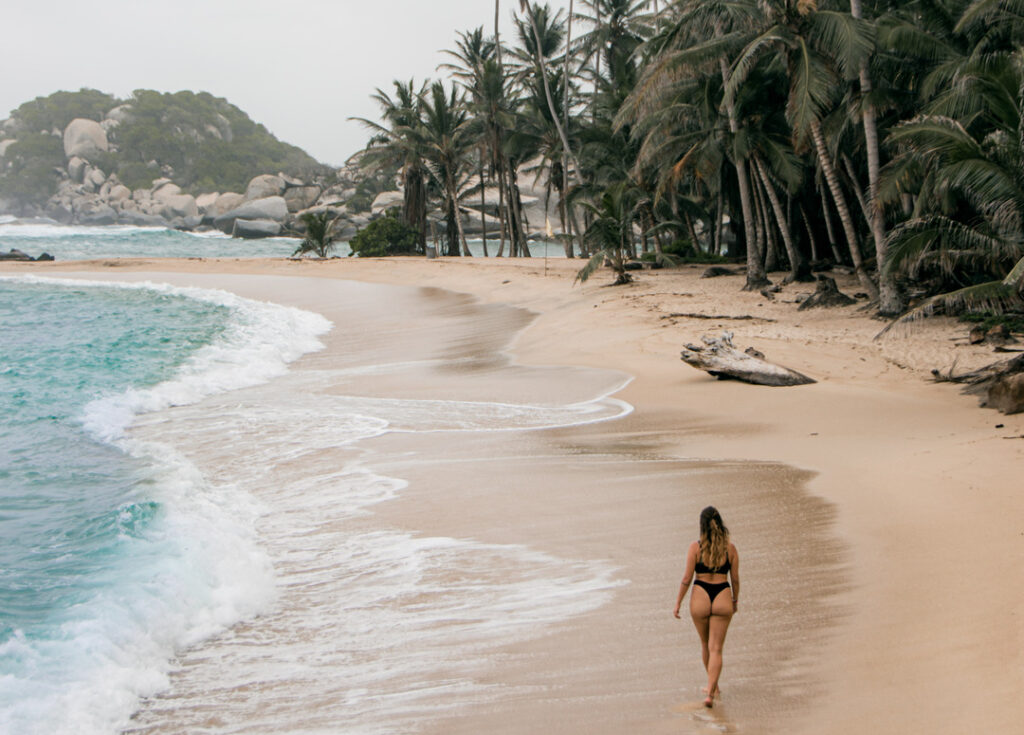

Tayrona Park Hike Tour to Cabo San Juan: Private or Shared
Santa Marta
Private, Shared
A Tayrona Park tour is more than a beach trip — it is a full-day journey through one of Colombia’s…
$$$
10 hours

Lost City Trek: 4-Day Hike to Ciudad Perdida in Sierra Nevada
Santa Marta
Multi-Day, Private
Four Days on Foot to a Civilization the World Forgot The Lost City Trek in La Sierra Nevada Natural Park…
$$$
4 days